
.png)


A typical small group Northern Lights tour in Iceland takes around 3–5 hours, departing Reykjavík in the evening and traveling away from city lights to wherever conditions offer the best chance of seeing the aurora. Most Icelandic operators list about max. 15-19 passengers for small group aurora tours.
Unlike the small group Golden Circle tours or South Coast small group tours, there is no standard route. Your destination can change each night depending on cloud cover, weather and aurora conditions.
You can also experience the Northern Lights on a multi-day small group tour. Travel Reykjavík by Snæland Travel (Est. 1945) offers multi-day tours that include opportunities to see the Northern Lights while staying overnight in the Icelandic countryside, away from Reykjavík’s city lights.
This guide covers what’s included in small group tours, tour options and what to check before booking.
What’s Included in Small Group Northern Lights Tours?
Usually included with small group Northern Lights tours:
- Small group of 8-30 people (most Icelandic operators list max. 15-19 passengers)
- Reykjavík pick-up and drop-off
- Local or expert guide
- Around 3–5 hours of touring
- Flexible route based on conditions
- Aurora and weather monitoring
- Wi-Fi on many minibuses
- Free retry with many operators if you don't see the lights
- Hot chocolate, blankets or photos on some tours
The exact inclusions vary considerably between operators. For example, some current tours include hot chocolate and professional Northern Lights photos, while others focus primarily on transportation and guiding.
The most important inclusion to check is actually the retry policy. Northern Lights sightings can never be guaranteed, so what happens if you don't see them matters more here than on most sightseeing tours.
Reykjavík Pick-Up and Drop-Off
Most small group Northern Lights tours depart from Reykjavík in the evening.
Depending on where you're staying, you may be collected from your accommodation or asked to meet at a designated Reykjavík Tour Bus Stop.
Pick-up usually begins before the advertised departure time because the minibus needs to collect several passengers around the city.
Return times are less predictable than on a normal sightseeing tour. If the guide needs to drive farther to find clear skies, or the group waits for conditions to improve, you may return later than expected.
I wouldn't schedule anything important immediately after a Northern Lights tour. In most cases you'll be heading straight to bed anyway!
Hot Chocolate, Blankets and Photos
This is one area where Northern Lights tours differ quite a bit.
Some operators include hot chocolate, Icelandic treats, blankets and complimentary photographs. Others provide a simpler guided minibus experience.
These extras aren't essential, but hot chocolate and a blanket become considerably more appealing after you've been standing outside on a cold Icelandic night.
Photography can be particularly useful. Photographing the Northern Lights at night isn't always straightforward, and some guides take photos of guests with the aurora and provide them afterward.
If that's important to you, check that photography is specifically included.
Local Guide and Driver
A knowledgeable guide is particularly valuable on a Northern Lights tour because there isn't a fixed attraction waiting for you at the end of the road.
The guide or tour team monitors the weather, cloud cover and aurora conditions and decides where the group should go that evening. Operators specifically describe changing destinations nightly according to conditions.
Your guide can also explain what causes the aurora, help you understand what you're seeing and, on some tours, assist with camera settings or take photographs for you.
Wi-Fi on the Minibus
Free Wi-Fi is included on many small group Northern Lights minibuses, but check your individual tour rather than assuming it's standard.
You'll probably spend less time thinking about Wi-Fi once you're outside waiting for the sky to do something interesting.
What Happens if You Don't See the Northern Lights?
This is one of the most important things to check before booking.
No Northern Lights tour can guarantee that you'll see the Northern Lights.
The aurora is a natural phenomenon, and you need a combination of auroral activity, darkness and sufficiently clear skies. Visit Iceland specifically notes that clear or partly clear skies and darkness are necessary for viewing.
Many evening operators offer a free retry if your tour operates but you don't see the lights. The exact terms vary considerably. Current examples range from rebooking rights valid for two years to retries valid for three years.
Read the policy carefully before booking.
A free retry is only useful if you still have another night available in Iceland.
That is why I recommend scheduling your Northern Lights tour early in your trip rather than on your final evening. If conditions don't cooperate, you'll have another opportunity to try.
What Happens if the Tour Is Cancelled?
Operators may cancel Northern Lights tours when the weather or viewing conditions aren't suitable.
Cancellation and rebooking policies vary, but some operators offer either a refund or the opportunity to move your booking when they cancel because conditions aren't promising.
This is different from a tour that actually operates but doesn't see the aurora. In that situation, the operator's retry policy normally applies instead.
Check both policies when booking.

Why Choose a Small Group Northern Lights Tour?
The main benefits are:
- Fewer passengers
- Easier interaction with your guide
- More help with photography
- Faster pick-up and drop-off
- Easier movement between viewing locations
- A quieter experience while waiting for the aurora
- More personal than a large coach tour
Small groups make particular sense for Northern Lights hunting because the experience involves more than transportation.
You may spend considerable time outside waiting, asking your guide about conditions or adjusting your camera. With fewer passengers, it's easier to get individual help and hear what your guide is explaining.
Current operators specifically promote increased guide interaction and photography assistance as benefits of their small-group format.
It doesn't mean you'll have a better aurora.
A minibus cannot make the Northern Lights appear.
What you're paying for is a smaller and more personal experience while searching for them.
How Long Do Small Group Northern Lights Tours Last?
Most small group Northern Lights evening tours from Reykjavík take approximately 3–5 hours, or 3-5 days for a multi-day small group aurora hunt.
Current tours include three-hour small-group departures as well as four- to five-hour aurora hunts.
Unlike a Golden Circle or South Coast itinerary, however, the duration isn't always predictable.
The guide may need to drive farther than expected to find clearer skies. You may also spend time waiting at a location to see whether conditions improve.
Think of the advertised duration as an estimate rather than a precise return time.
Where Do Northern Lights Tours Go?
There is no standard Northern Lights route for evening tours in Iceland.
You're not booking transportation to one particular attraction. You're booking a Northern Lights hunt.
The guide chooses the destination according to the conditions that evening, looking for dark skies and areas with less cloud cover. Reykjavík Excursions, for example, explicitly states that its destination changes nightly according to conditions.
That could mean traveling in a completely different direction from someone who took the same tour the previous evening.
If you do have specific places in mind you can always book a Multi-Day Small Group Northern Lights Hunt where you explore sights during the day and stay in remote hotels to increase chances of aurora views.
How Much Time Do You Spend Driving?
Driving times vary because Northern Lights tours don't follow a fixed route. Two common viewing areas are Þingvellir National Park, around 45–50 minutes from Reykjavík, and Kleifarvatn, around 40–45 minutes away.
Your guide may travel closer or farther depending on cloud cover, weather and aurora conditions, and the group may change locations during the evening if conditions aren't suitable.
When Is Northern Lights Season in Iceland?
The practical Northern Lights viewing season in Iceland runs from approximately late August until late April, when the nights become dark enough to see the aurora.
You cannot normally see the Northern Lights during Iceland's bright summer nights, even when auroral activity is occurring, because there isn't enough darkness.
The darkest winter months provide long viewing windows, but darkness alone doesn't guarantee anything.
You still need the right combination of auroral activity and sufficiently clear skies.
Visit Iceland notes that the aurora is most frequently in Iceland's sky around 11 PM on average and recommends being outside roughly between 10 PM and 1 AM when searching for it.
What Conditions Do You Need to See the Northern Lights?
Three things matter most:
- Darkness
- Clear or sufficiently clear skies
- Aurora activity
Cloud cover is particularly important.
You can have strong auroral activity happening above Iceland, but if you're standing underneath thick cloud, you won't see it.
Likewise, a completely clear sky doesn't mean the Northern Lights will necessarily appear. Especially with a bright moon.
This is why guides monitor several different conditions rather than looking at one number on an aurora forecast.
Visit Iceland specifically warns against relying too heavily on the Kp index alone because it doesn't tell you exactly how bright or intense the aurora will be at your location.
Are Small Group Northern Lights Tours Worth It?
For many visitors without a rental car, yes.
But it's important to understand what you're actually paying for.
You're not paying to see the Northern Lights. Nobody can sell you that guarantee.
You're paying for transportation away from Reykjavík's artificial light, a guide who monitors conditions, the ability to move between locations and, depending on your tour, photography assistance, warm drinks or another attempt if you don't see anything.
Can You See the Northern Lights Without a Tour?
You do not need a guided tour to see the Northern Lights in Iceland.
If the aurora is strong and skies are clear, you can sometimes see it from Reykjavík itself. However, artificial light generally makes viewing less impressive than under darker countryside skies.
If you have a rental car, understand Icelandic winter driving and are comfortable interpreting weather and cloud forecasts, you can search independently.
The advantage of a tour is that somebody else handles those decisions and the driving.
That becomes particularly valuable at night in winter, when road conditions may be icy and weather can change quickly.

Is a Small Group Worth Paying More For?
If your priority is simply getting outside Reykjavík for the lowest possible price, a large coach tour may be sufficient.
A small group becomes more worthwhile if you want more interaction with your guide, photography help and a quieter experience while you're waiting.
Northern Lights viewing involves quite a lot of standing around looking at the sky.
Personally, that's one experience where I'd rather do it with 15 or 20 people than an entire coachload.
What to Wear on a Northern Lights Tour
Dress warmer than you think you need to.
This is not the same as sightseeing during the day, when you're regularly walking between attractions.
You may be standing relatively still outside at night for an extended period.
Wear:
- Thermal base layers
- Warm mid-layers
- Insulated jacket
- Waterproof and windproof outer layer
- Warm hat
- Gloves
- Thick socks
- Warm, sturdy footwear
Current tour operators also recommend sturdy footwear and weatherproof outer layers, with some recommending shoe grips during the colder months.
Don't assume the warm minibus means you can dress lightly. The entire point of the tour is to get out of the minibus when conditions are good.
Small Group Northern Lights Day Tours
Technically, these are evening or nighttime tours rather than day tours, but they work in much the same way as other Reykjavík-based excursions.
You stay at your Reykjavík accommodation, get collected in the evening, spend several hours searching for the aurora and return to the city afterward.
This is the easiest option if Reykjavík is your base.
It also means you can spend the daytime sightseeing elsewhere and use the evening for the Northern Lights.
Just be careful about stacking too much into one day. A full South Coast tour followed immediately by a four-hour Northern Lights hunt can make for a very long day.
Northern Lights on Multi-Day Small Group Tours
Northern Lights viewing works very differently on a multi-day tour.
Rather than leaving Reykjavík specifically to chase the aurora for a few hours, you're already staying outside the capital as you travel around Iceland.
That can be a major advantage.

Countryside hotels generally have much less artificial light around them than central Reykjavík. If skies are clear and aurora activity develops after dinner, you may have an opportunity to step outside and look rather than taking another dedicated excursion.
A multi-day itinerary should be worth booking for the places you'll see during the day. Treat any aurora display in the evening as an additional opportunity rather than the reason the entire trip succeeds or fails.

Private Northern Lights Tours
A private Northern Lights tour gives your party its own vehicle and guide.
The biggest advantage is privacy rather than a fundamentally different aurora forecast.
You can have more direct interaction with the guide, more room for camera equipment and an experience centered entirely around your own group.
This can work particularly well for families, couples looking for a more private experience and serious photographers.
But a private tour cannot guarantee stronger Northern Lights than a shared tour.
Everyone is looking at the same sky.
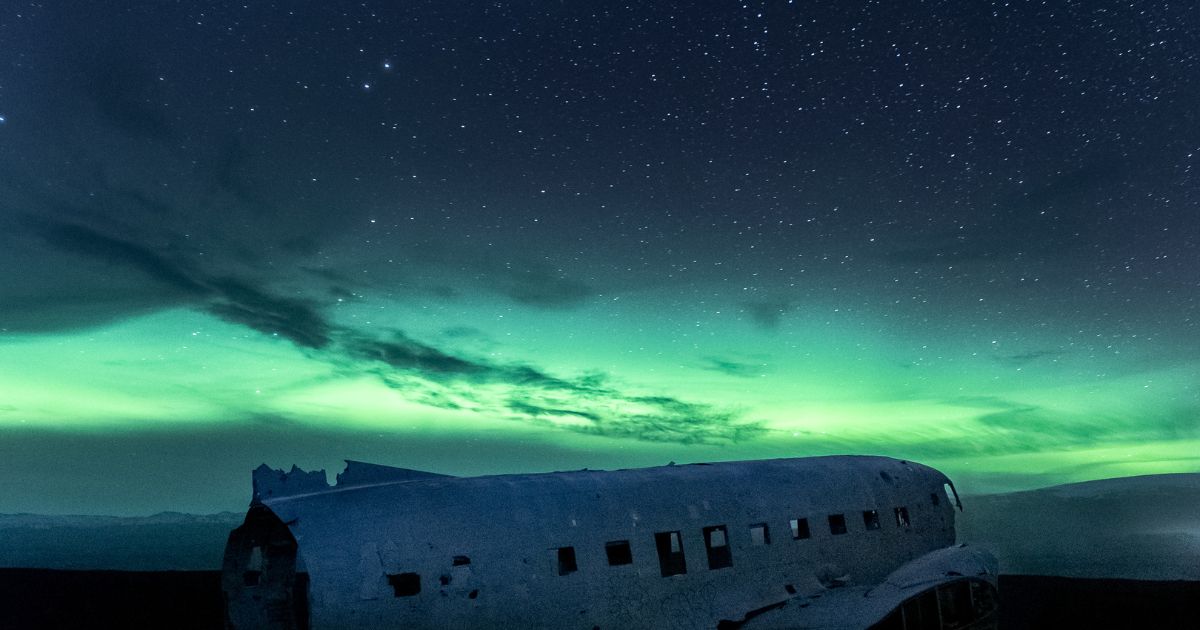
Northern Lights Tour With Golden Circle
Combining daytime sightseeing with a Northern Lights hunt is possible if you want to make very efficient use of your time.
Current combination tours pair an afternoon Golden Circle minibus tour with an evening Northern Lights hunt, producing an approximately 11-hour experience.
This can work well on a short Iceland trip, but it's a long day.
If you have several days available, I'd generally keep the Northern Lights tour separate. That gives you more flexibility if weather causes the evening tour to be cancelled or moved.
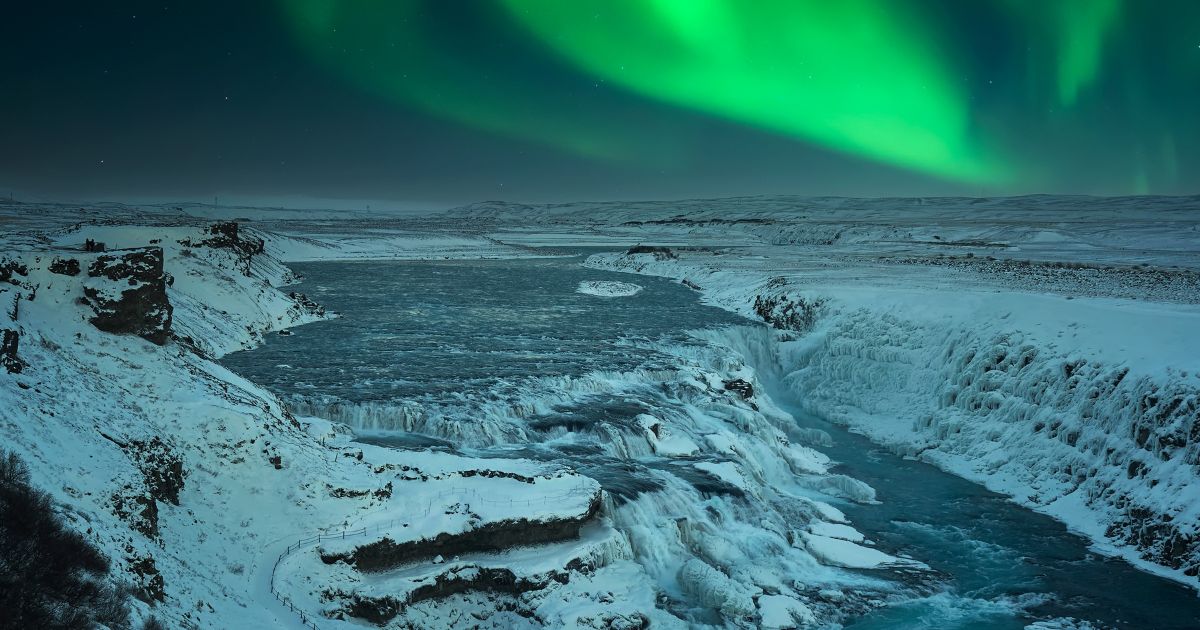
Northern Lights Tour With Whale Watching
You can also combine whale watching and Northern Lights hunting.
Current combination products from Reykjavík run for approximately seven hours, combining a whale-watching trip with an evening minibus aurora hunt.
This can make sense if your Iceland itinerary is short and both experiences are priorities.
Again, remember that you're combining two nature-based experiences. Wildlife sightings and Northern Lights are both outside the operator's control.
When Should You Book Your Northern Lights Tour?
Book it for one of your first nights in Iceland (...this is probably the most useful planning advice in this entire guide.)
Imagine you're staying for five nights.
If you book your Northern Lights tour for night one and don't see anything, a free-retry policy could give you several more opportunities.
Book it for night five and your free retry isn't particularly useful if you're flying home the following morning.
I would also avoid scheduling it on the evening you arrive after a long international journey unless you know you'll be comfortable staying awake until around midnight or later.
How to Choose a Small Group Northern Lights Tour
Northern Lights tours can look almost identical when you're comparing them online, so focus on the practical differences.
Before booking, check:
- Maximum group size: “Small group” doesn't mean exactly the same thing across operators.
- Tour duration: Most are around 3–5 hours.
- Pick-up: Check whether Reykjavík pickup is included.
- Retry policy: Find out exactly what happens if you don't see the aurora.
- Cancellation policy: Check what happens if the operator cancels because of poor conditions.
- Photography: Some tours include professional photos or photography assistance.
- Warm extras: Hot chocolate and blankets are included on some tours.
- Minimum age: Important when traveling with children.
- Return time: Treat it as approximate.
- Combination tours: Decide whether you actually want a long Golden Circle/whale-watching combination or would prefer a standalone evening tour.
I would put retry policy near the top of that list.
The tour with the fanciest photographs isn't necessarily the best option. What matters is how the operator handles changing conditions and what happens when Icelandic weather refuses to cooperate.
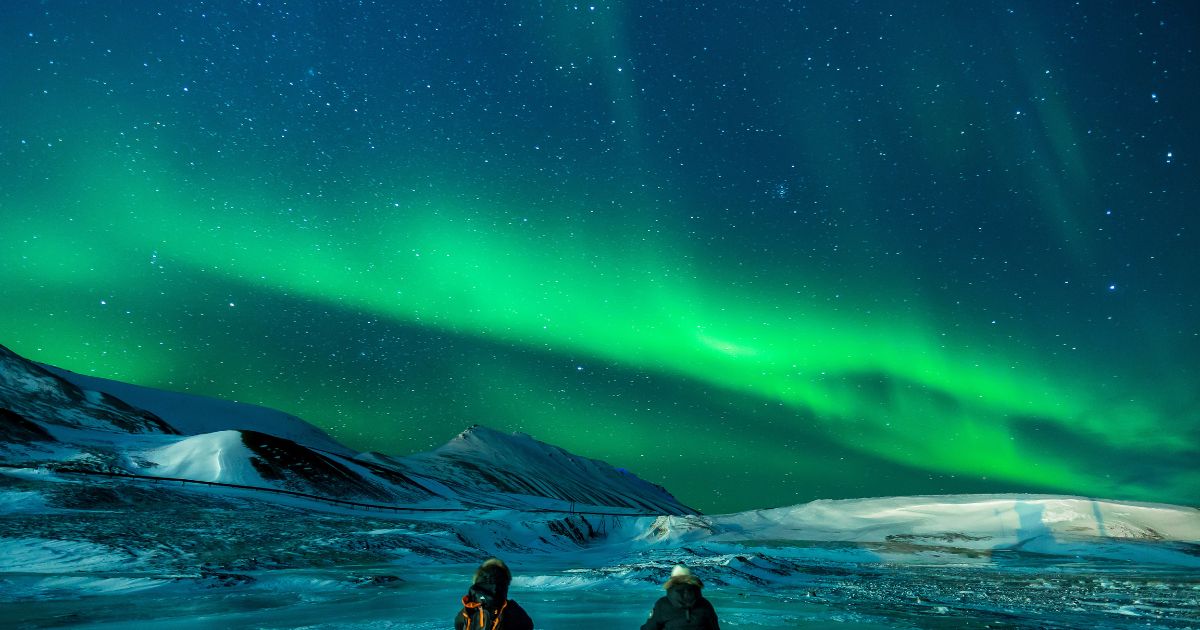
Best Small Group Tours With Northern Lights
When comparing small group Northern Lights tours, don't judge them by promises of where you'll go.
A good Northern Lights tour shouldn't have one fixed destination.
Instead, look at group size, guide expertise, tour duration, photography assistance, cancellation terms and the retry policy.
And be suspicious of any wording that sounds as though the Northern Lights themselves are guaranteed. They're not.
Travel Reykjavík by Snæland Travel – Small Group Tours
Travel Reykjavík by Snæland Travel (Est. 1945) specializes in small group tours around Iceland, combining certified local guiding with Snæland Travel's longstanding experience in Icelandic transportation and tourism.
Its multi-day small group tours travel beyond Reykjavík through regions including the Golden Circle, South Coast and Ring Road, with transportation, accommodation and breakfast arranged as part of the journey.
This format can work particularly well for travelers hoping to see the Northern Lights because you're spending nights outside Reykjavík and away from much of the capital's artificial light.
It doesn't mean the aurora is guaranteed. You still need suitable weather, sufficiently clear skies and auroral activity.
But when conditions are right, staying overnight in the Icelandic countryside means you may already be in a dark location when the Northern Lights appear.
That gives the Northern Lights a slightly different role on a multi-day tour. Instead of spending every evening chasing them from Reykjavík, you can explore Iceland during the day and keep an eye on the sky at night.
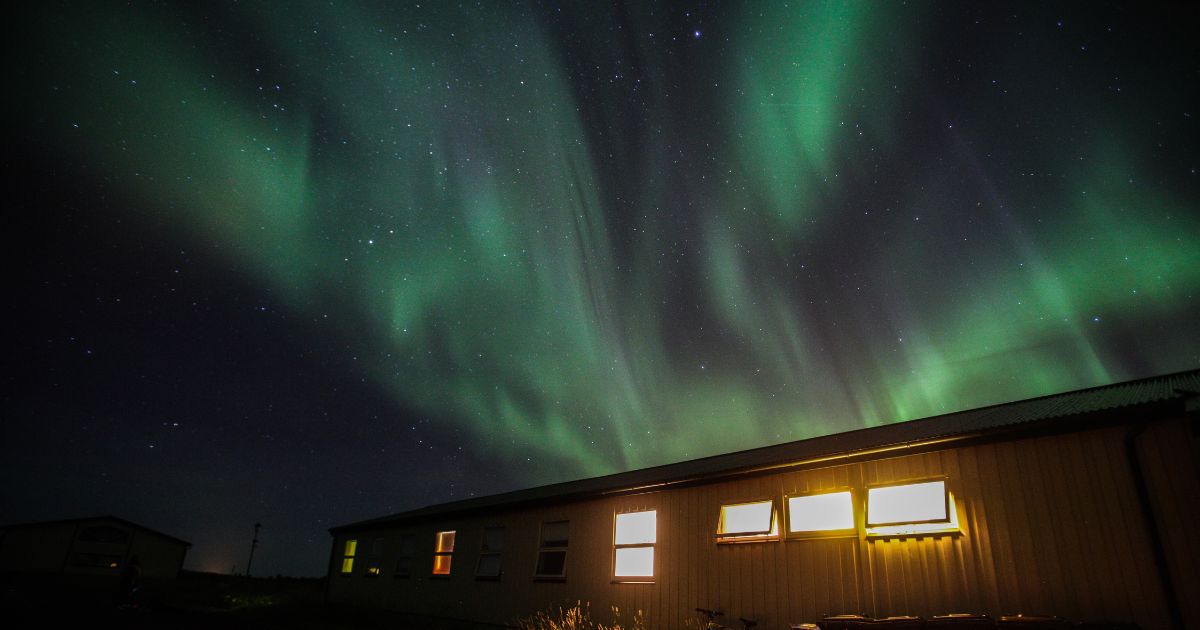
A small group Northern Lights tour is ultimately about improving the experience and logistics of searching for the aurora, not guaranteeing that nature cooperates.
Choose a tour with a sensible group size, knowledgeable guide and good retry policy, book it early in your stay and bring much warmer clothing than you think you'll need.
Then leave the final part up to the Icelandic sky.